Rural Plumber in Cashmere
A big block asks different questions of a plumbing system than a courtyard does, and a rural plumber in Cashmere answers them every week. Tanks instead of a street main, long runs between the meter and the taps, and gas bottles feeding the cooktop. Cashmere Plumbing Services covers the lot, and every job is done by a licensed plumber.
If we're late, $100 comes off your bill

- Licensed and InsuredEvery job done by a licensed plumber. QBCC No: 15024607
- Fixed Quote FirstFlat-rate pricing, agreed before any work starts
- Lifetime Labour WarrantyBacked by our Fix-It-or-It's-Free guarantee (T&Cs apply)
- $0 Call-Out FeesNo extra charge for nights, weekends or public holidays
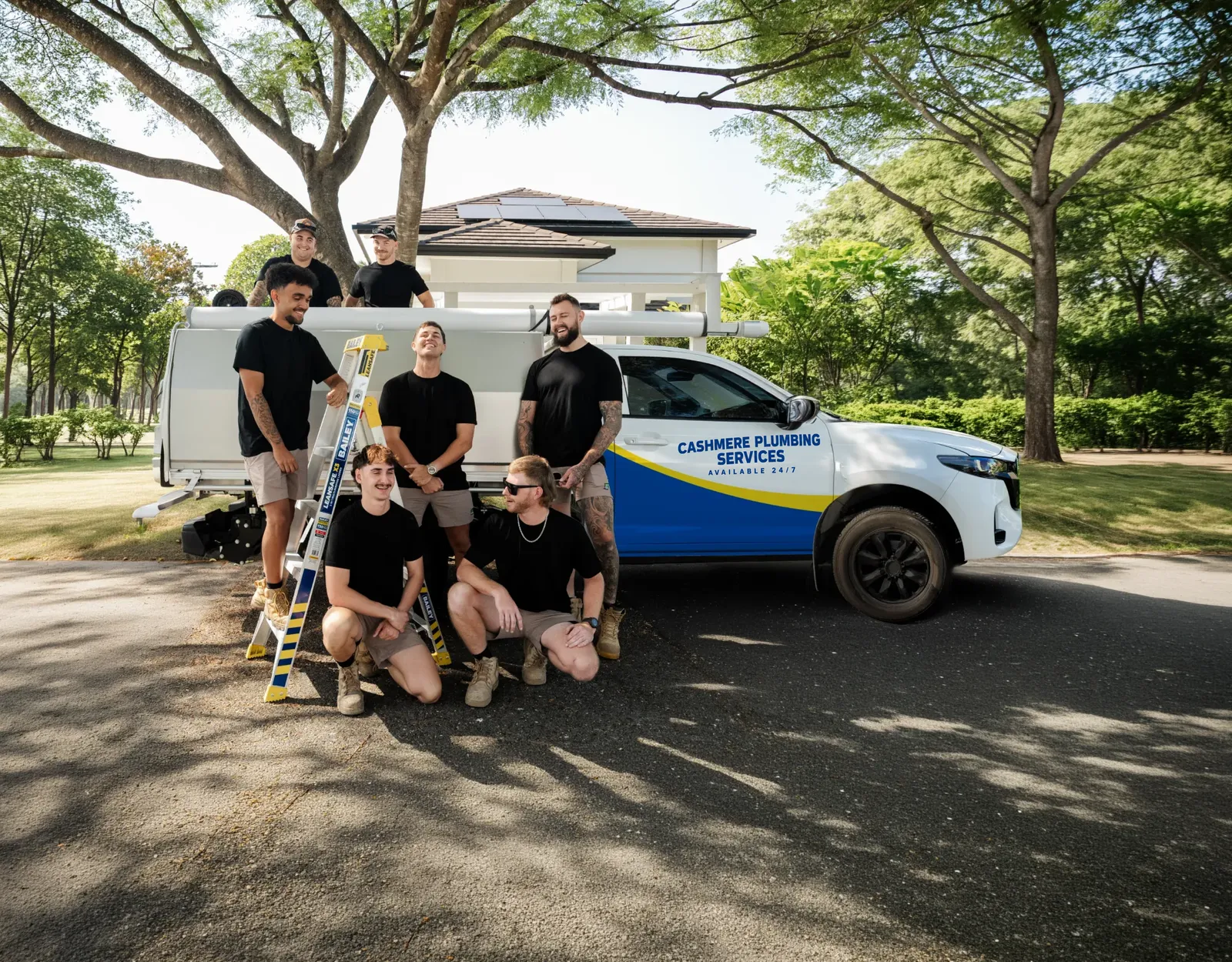
The work splits along the property line. Water supply, pumps and filters sit on one side. Gas bottles and their fittings sit on the other, and for the wider picture of what we do around Cashmere, start at the home page.
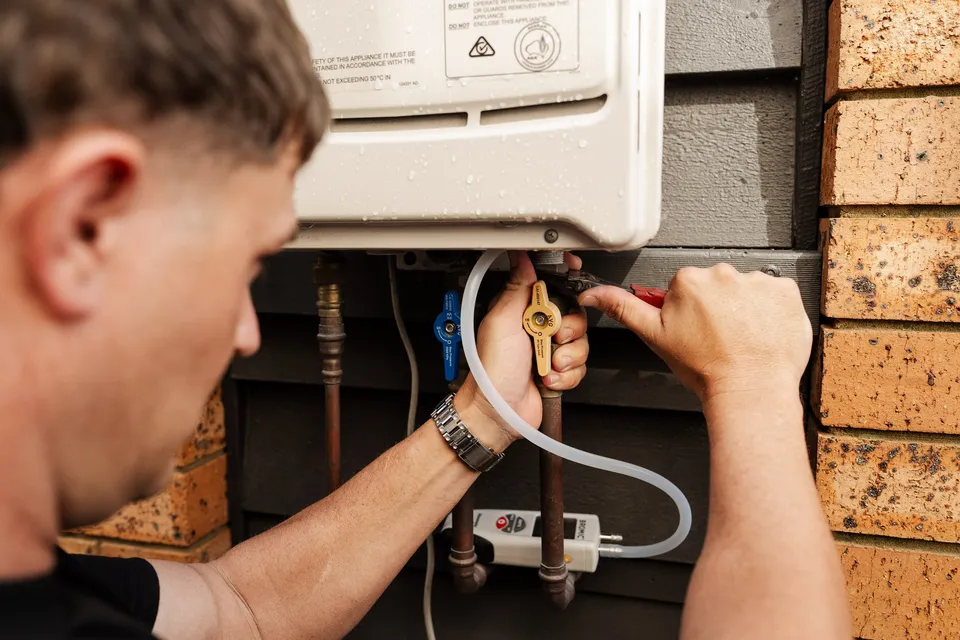
What Tank-Fed Properties Need From Plumbing
Your block draws on the town main, on tank water, or on both, and a tank changes the plumbing: its pressure comes from a pump or from tank height. That one difference shapes the whole system on an acreage block.
The QBCC guide is firm on drinking. Rainwater is for drinking only where no reticulated town supply reaches the property, because mains water is the safer, more dependable source. Unitywater, the utility for this side of Moreton Bay, also leaves a private tank's safety and availability with the owner.
Dirt and microorganisms can enter a tank and spoil it, so managing both stays with you. Three parts of the system carry their own pages:
The tank
Our rainwater tank plumbing page covers the connections, switching valves and pipework that tie a tank into the house.
The pump
A pressure pump pushes tank water out to the fixtures, and our water tank pumps page goes through what a visit involves.
The filter
Anyone may swap a domestic filter cartridge, since that job is unregulated, though the standard still applies. Our water filter installation page handles the rest.
Storing and Refilling LPG Cylinders
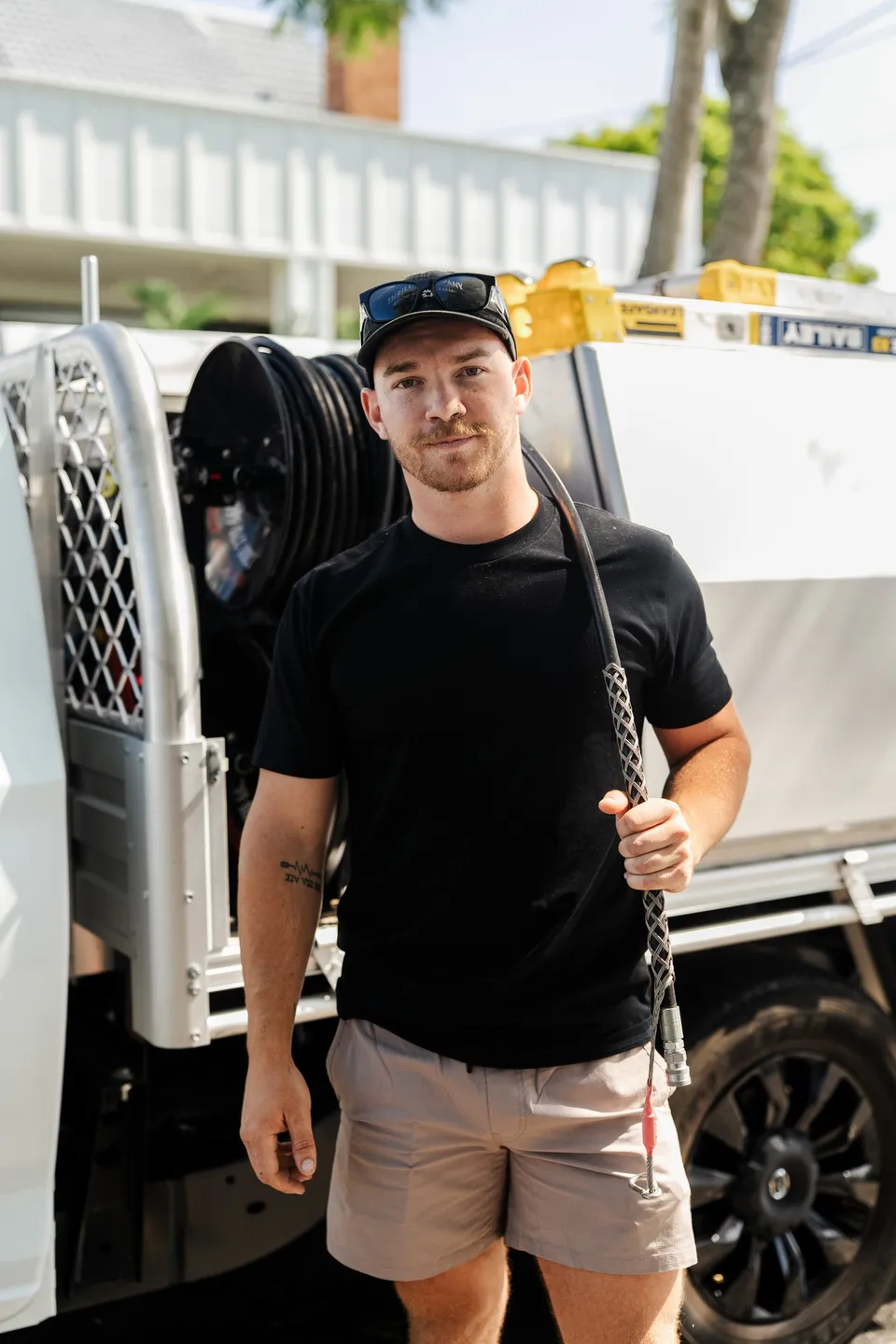
Store and use LPG bottles somewhere well ventilated, clear of heat and ignition sources, with spares in a set secure place. Leave the valve sealed between uses, even on an empty bottle. That is the storage rule in full, and it matters on a bush-fringed block where a barbecue bottle often lives on the deck.
Refilling carries its own rule. A portable cylinder, the barbecue and camping kind, needs a current ten-year test stamp before anyone will refill it. Staff at the bowser check the dates on each bottle handed over.
Escaped LPG weighs more than the surrounding air, so it settles in hollows and drains instead of drifting away. If that rotten-egg odour ever appears around a bottle or an appliance, switch the appliance off, open up the house, and leave light switches and power points as they are. Shut the gas at the cylinder if the smell lingers, and call 000 if it will not clear.
Gas work in Queensland is for a licensed gasfitter only. It spans fitting, altering, repairing, servicing, testing and certifying gas systems, their pipework and their connections, from a new bayonet point to a gas cooktop connection.
Digging the Trench Versus Laying the Pipe
The owner: every pipe downstream of the meter through to the fixtures is yours to maintain, so a big block puts the whole run on you. Unitywater looks after the public mains and sewer; everything past the meter is the property owner's responsibility, concealed leaks included.
Renewing the supply pipe to an existing house counts as notifiable work. A licensed plumber carries it out, lodges a Form 4 with the QBCC within 10 business days of completion, and passes a copy to you.
The trench is a different story. Opening it and backfilling it later are unregulated, because they are unskilled tasks incidental to the plumbing, and anyone may do them. The pipework is licensed work and stays with the plumber.
One more rule sits at the meter end. Before installing, changing or removing a meter and its related pipework, the owner needs a Water Approval from the utility first, so the job starts with paperwork rather than a shovel.
Pressure Pumps and Long Pipe Runs
Friction: water rubbing along a longer or narrower pipe sheds pressure on the trip, so taps deep in the property draw weakest. The fixtures nearest the supply keep the strongest flow.
A pressure pump lifts the pressure where the house sits, giving taps and appliances usable flow. On a tank-fed property the pump already does that job. On a long town-water run, one can be added where the supply allows.
The 210 kPa minimum some networks supply at the meter does not reach everywhere. Trickle-feed districts, common in rural parts of the south-east, and marked low-pressure zones sit outside that promise. A rural plumber in Cashmere checks which side of that line your block sits on before recommending a fix.
Winter adds its own pressure on these foothill blocks, where nights run colder than the coastal plain. Cold snaps knock out hot water units across the acreage houses here most winters. With the tank and the shut-off valve at the meter sometimes separated by half a block, cutting off a failed unit takes some planning.
How an Acreage Visit Runs
- 1

Get in touch
Call (07) 3524 0766 or send a quick message about the job in Cashmere, and we'll ask what we need to know.
- 2

We walk the property with you
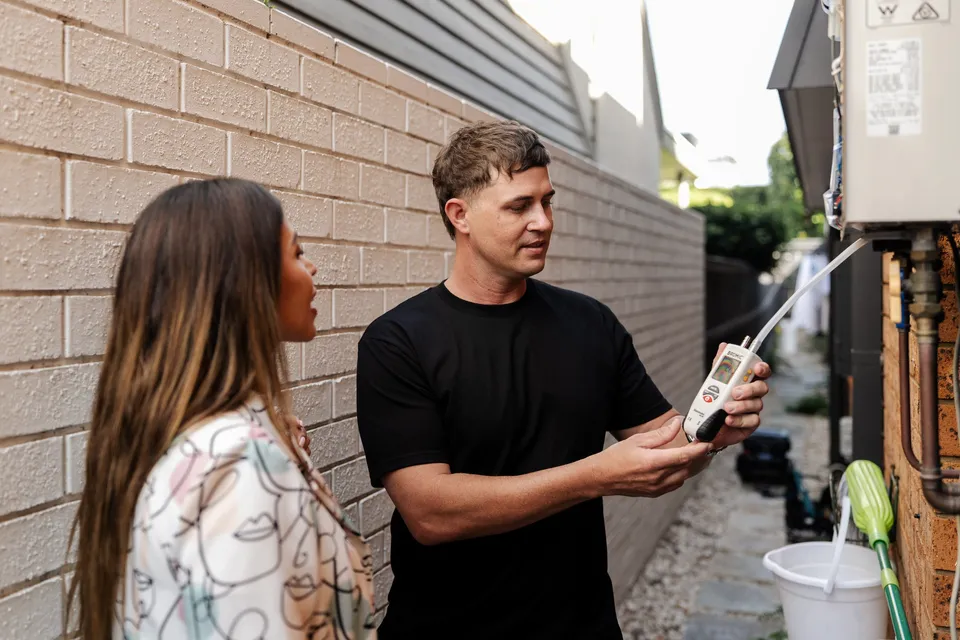
The visit covers the supply from the meter or tank to the house, the pump and its pressure switch, the filter housing, and the gas bottles and their regulators. Long runs get a flow check at the farthest fixture, and we note the ground the trench crosses before quoting.
- 3

Sign off the quote
You'll see a fixed quote before any work starts, with flat-rate pricing and no hidden fees. The job starts when you're happy with it.
- 4

Pay once it's done
Pay by card or EFTPOS on site after the work's finished, or choose Fix now, pay later.
Plumbing job in Cashmere?
$0 call-out fees, available 24/7, and same-day where we can.
Acreage Plumbing Questions We Answer
Call (07) 3524 0766Why is the pressure weak at the far end of my long water line in Cashmere?
Friction is the cause: the further or narrower the pipe, the more pressure the water sheds on the trip, so the last taps draw weakest. A pressure pump can lift the pressure at the house end. The 210 kPa minimum some networks supply at the meter excludes trickle-feed areas and low-pressure zones.
Can I drink the tank water at my Cashmere property?
No, not while town water reaches your block. The QBCC guide allows rainwater for drinking only where no reticulated supply exists. Unitywater leaves the tank's safety and availability with you, the owner, so we never call tank water safe.
Who can replace the water line from the meter to my house?
A licensed plumber. Renewing that supply pipe on an existing house is notifiable work, so the plumber lodges a Form 4 with the QBCC within 10 business days of finishing and gives you a copy.
Can I dig the trench for a new water line myself?
Yes, digging it and filling it back in are yours to do. Both count as unregulated, unskilled work around the plumbing, so anyone may take them on. The pipework itself stays with the plumber.
Can I repair or swap a gas cylinder valve myself?
No. A cylinder valve is never a DIY repair. Gas work in Queensland is for a licensed gasfitter only, so ring one when a valve or connection worries you.

Talk to Us About Your Acreage PlumbingWe'll call you back.
Ring (07) 3524 0766 and tell us what's wrong. You get $0 call-out fees, a fixed quote before any work starts and same-day where we can, 7 days a week.
To claim your $0 call-out fee, call (07) 3524 0766 today.